
by Colby Mayer (Furman University Education major)
It was not until I learned about critical comprehension while taking a class on young adult literature that I began to realize how many books were written with white children as the audience. While I believe that accurate portrayals of history are essential, I have discovered that many stories are left out. Reflecting on the Dear America series, which was widely popular when I was in elementary school, I now recognize limitations I had never noticed. The Dear America series and its multiple spin-offs have a combined 103 books, over 75% of which center white main characters. I was curious about how many of the Dear America books were about girls of color. What I found was disappointing, though not unexpected.
Of the 43 books originally published as a part of this series, only 8 were written about girls of color and only 5 of those were written by women of color. The books about girls of color include:
(Books written by women of color are marked with an asterisk).
*A Picture of Freedom: The Diary of Clotee, a Slave Girl by Patricia C. McKissack
*I Thought My Soul Would Rise and Fly: The Diary of Patsy, a Freed Girl by Joyce Hansen
My Heart Is on the Ground: The Diary of Nannie Little Rose, a Sioux Girl by Ann Rinaldi
The Girl Who Chased Away Sorrow: The Diary of Sarah Nita, a Navajo Girl by Ann Turner
*Color Me Dark: The Diary of Nellie Lee Love, The Great Migration North by Patricia C. McKissack
Valley of the Moon: The Diary of Maria Rosalia de Milagros by Sherry Garland
*Look to the Hills: The Diary of Lozette Moreau, a French Slave Girl by Patricia C. McKissack
*With the Might of Angels: The Diary of Dawnie Rae Johnson by Andrea Davis Pinkney
When selecting texts for the study of history we must strive to discover which stories have been left out of the dominant narrative. As we work to include those texts, we must also search for those written by authors whose voices reflect the culture and experience of those whose stories are missing.
The importance of “own voice” texts is illustrated by a close look at two controversial books from the Dear America series written by authors outside the culture represented:
· My Heart Is on the Ground: The Diary of Nannie Little Rose, a Sioux Girl by Ann Rinaldi
· The Girl Who Chased Away Sorrow: The Diary of Sarah Nita, a Navajo Girl by Ann Turner
These two books received pushback from Native American scholars who pointed out inaccuracies in the books.
My Heart is on the Ground: The Diary of Nannie Little Rose, a Sioux Girl presents an oversimplified and inaccurate account of the experiences of children taken from their families and forced into Native American boarding schools. On the cover Nannie Little Rose refers to herself as a Sioux girl, which is not how she would have identified. In fact, she would have self-identified by her band (Sicangu), location (Spotted Tail Agency), or a smaller family group (Smith, n.d.).
Fiction Posing As Truth: A Critical Review of Ann Rinaldi’s My Heart Is on the Ground: The diary of Nannie Little Rose, a Sioux Girl by Cynthia Smith
What I found most alarming about this book are the “creative liberties” taken. In the author’s note, Rinaldi wrote about a visit to one of these boarding schools where she saw the burial ground. She reports that the names of the children who died while at the school “took on instant personalities” that she included in her book. Yet those children attended the school much later than the fictional Nannie Little Rose. Furthermore, Rinaldi paints the boarding schools in an almost positive light, by not showing the true horrors that took place there. There is no discussion of the coercion that many parents faced to send their children to these schools or the purpose of these schools to break the spirits of the children in attendance. This is particularly problematic when this book could be the first, and possibly only, introduction students have to the history of Native American boarding schools.
A more accurate depiction of boarding schools can be seen in the book, When We Were Alone by David Robertson.
Because the story is simplified, it is an appropriate book to use to introduce boarding schools to younger children. While it does not “sugar-coat” the realities of the boarding schools, it also does not venture into the graphic brutalities Native American children experienced.
Other recommended books include:
- I Am Not a Number by Dr. Jenny Kay Dupuis
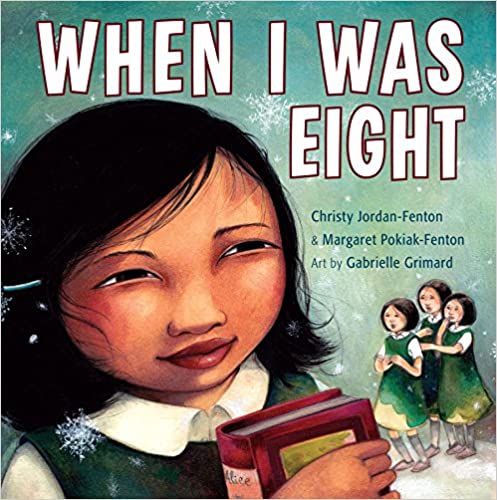
- When I Was Eight by Christy Jordan-Fenton
- Stolen Words by Melanie Florence
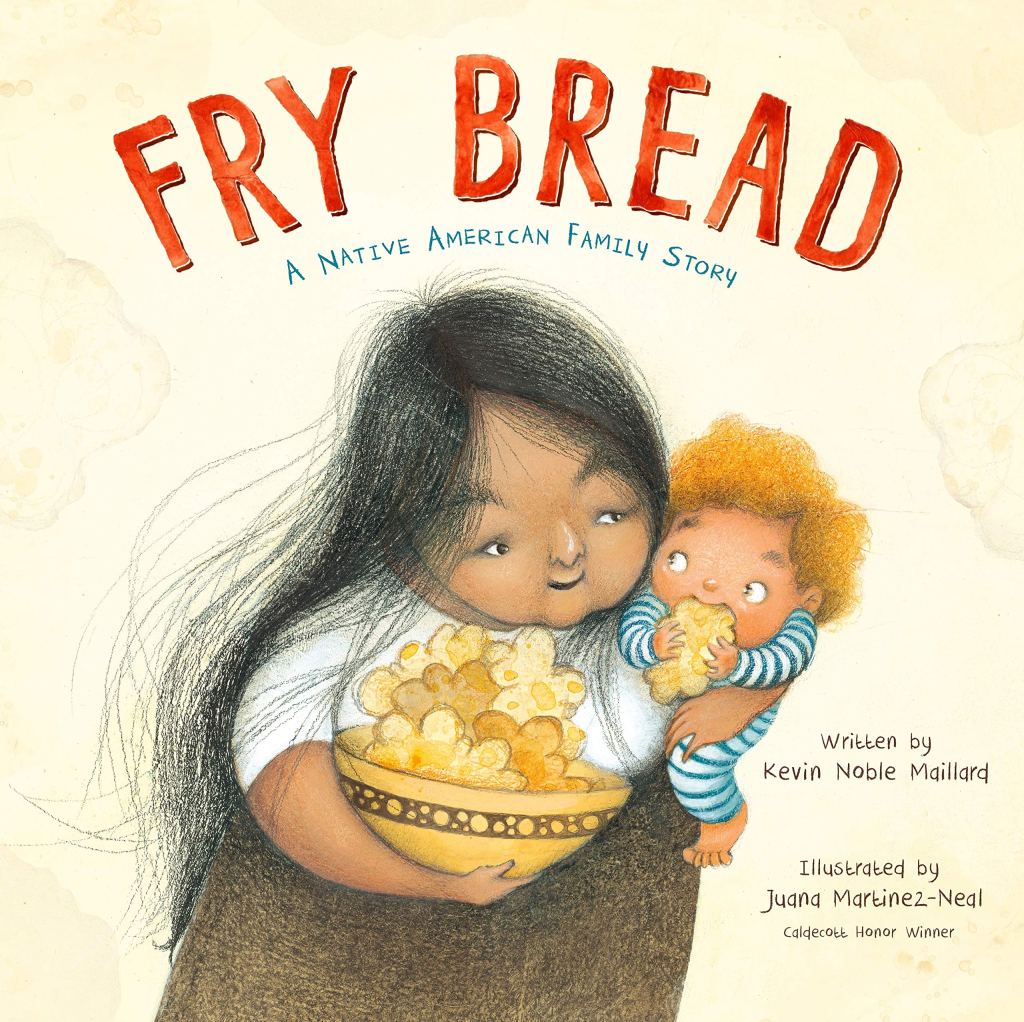
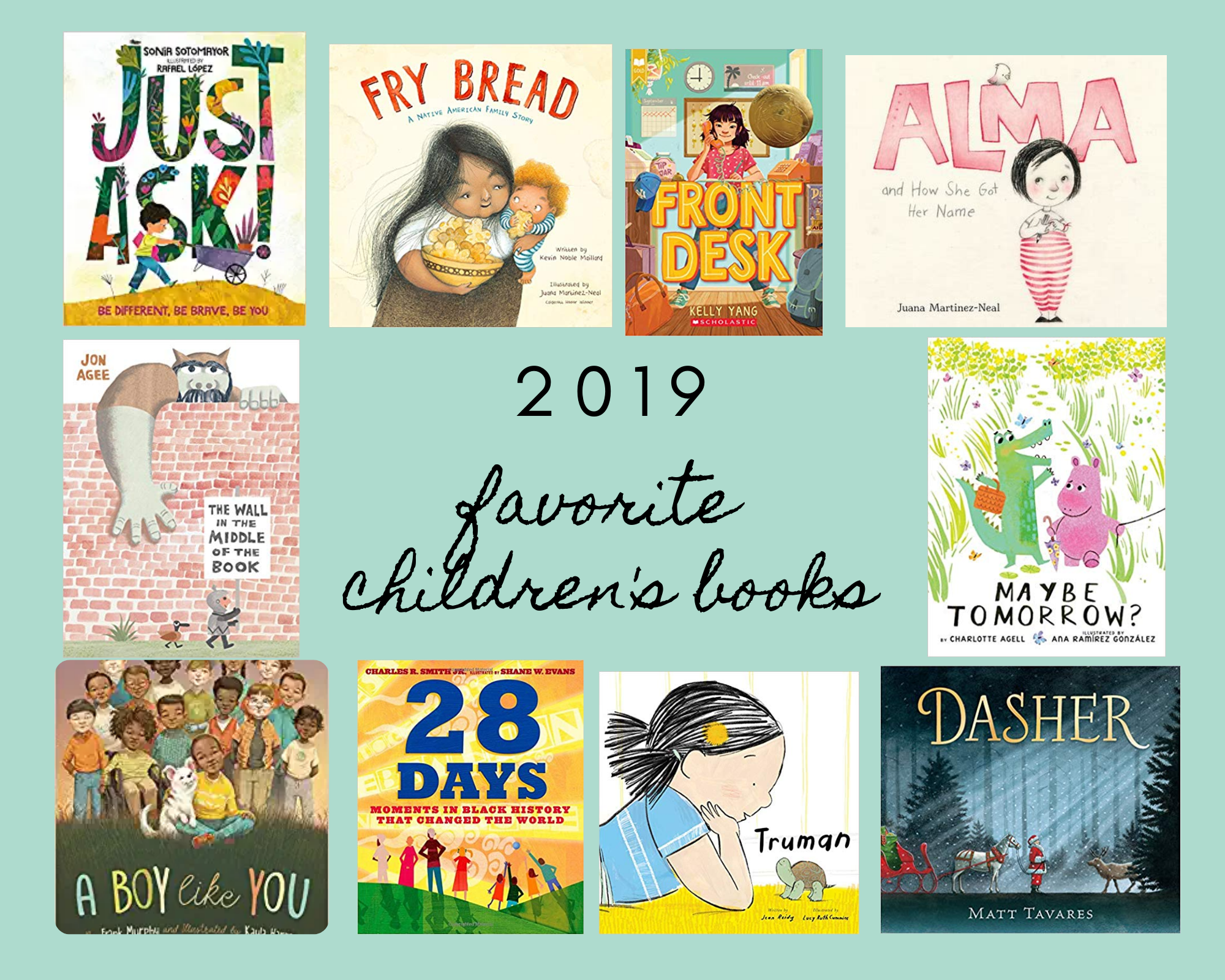
- Fry Bread by Kevin Noble Maillard
- We Are Still Here by Traci Sorrell
The Girl Who Chased Away Sorrow: The Diary of Sarah Nita, a Navajo Girl features the Long Walk from Fort Defiance to Fort Sumner in 1864 when Navajo families were forced out of their territories by the U.S. government. One issue is that a Navajo child is writing this story in a diary as her grandmother, Sarah Nita, tells it to her. This part of the story is quite confusing, as it would be considered disrespectful in Navajo storytelling for a child to write down the stories of their elders. In Navajo communities, elders tell stories to be learned, not to be written down, so it is unrealistic that an elder would ask a child to write down their story as they tell it. The book has other inaccuracies regarding Navajo culture, as well as historical inaccuracies. For example, the book shows the “kindness” of the soldiers throughout the Long Walk, which is historically inaccurate. Historical records reveal that soldiers beat, brutalized, raped, shot, and killed the Navajo. For greater detail I invite you to read the following article by Beverly Slapin who provides a more complete analysis/critique of the book.
Slapin notes, “the notion seems to be that translating Native experiences into a European worldview and form– while pretending to be an indigenous worldview and form– is a good thing.” When a book is written from a perspective different than our own, we must analyze how that story is told and where the information is coming from to ensure accuracy and authenticity. We must always seek to critically analyze the media around us and teach students to do the same.
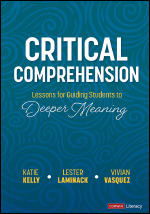
The following questions from “Critical Comprehension: Lessons for Guiding Students to Deeper Meaning” can be used to help unpack texts when reading critically.

For more information and lessons focused on critical comprehension, Katie and Lester’s new book titled “Critical Comprehension: Lessons for Guiding Students to Deeper Meaning” will be released in February 2023. The book features a chapter titled “Interrogating the Past and the Present” that aligns with the ideas in this blog post.

![A Different Little Doggy by [Heather Whittaker, Scott Alberts]](https://m.media-amazon.com/images/I/51B4kITcjkL.jpg)

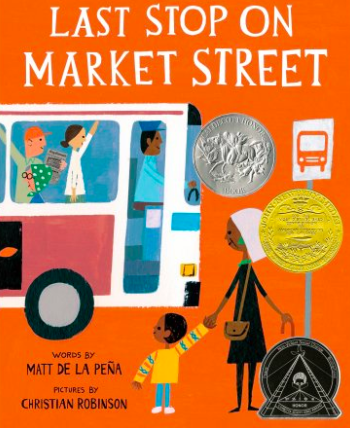
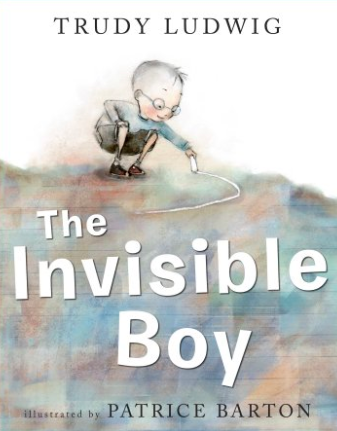
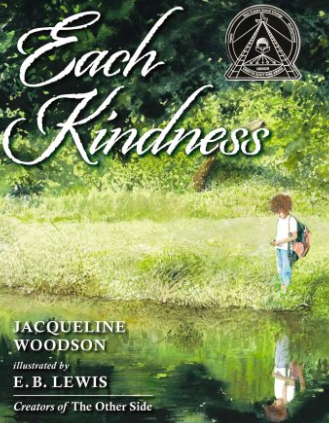
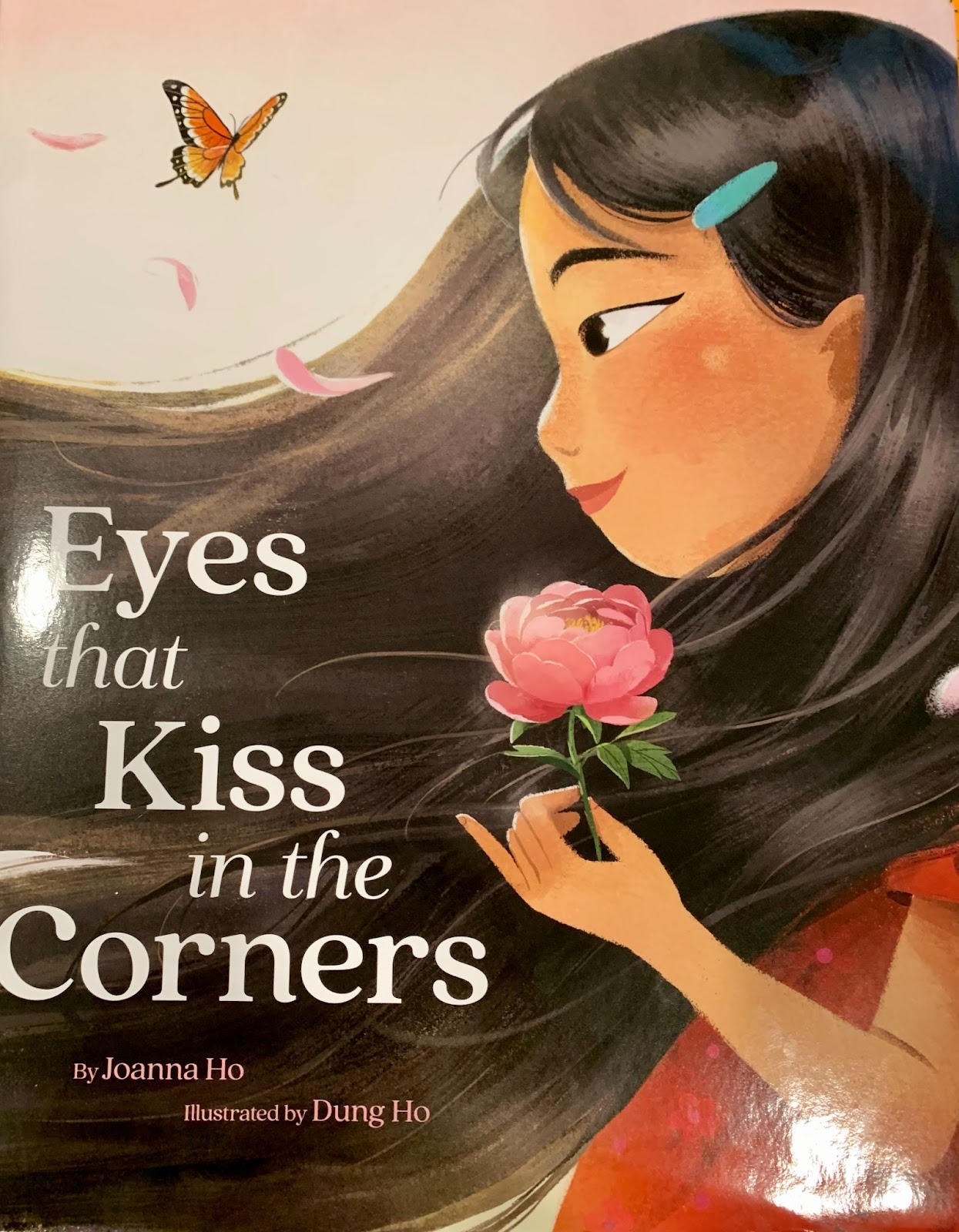
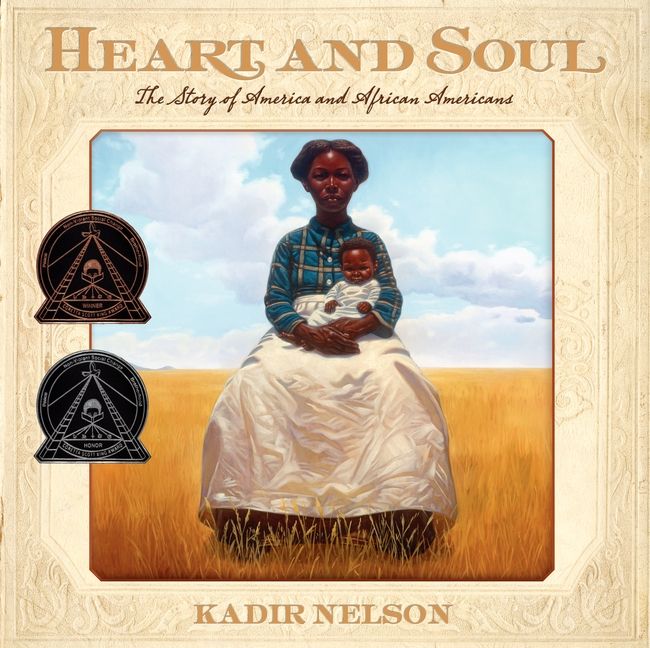
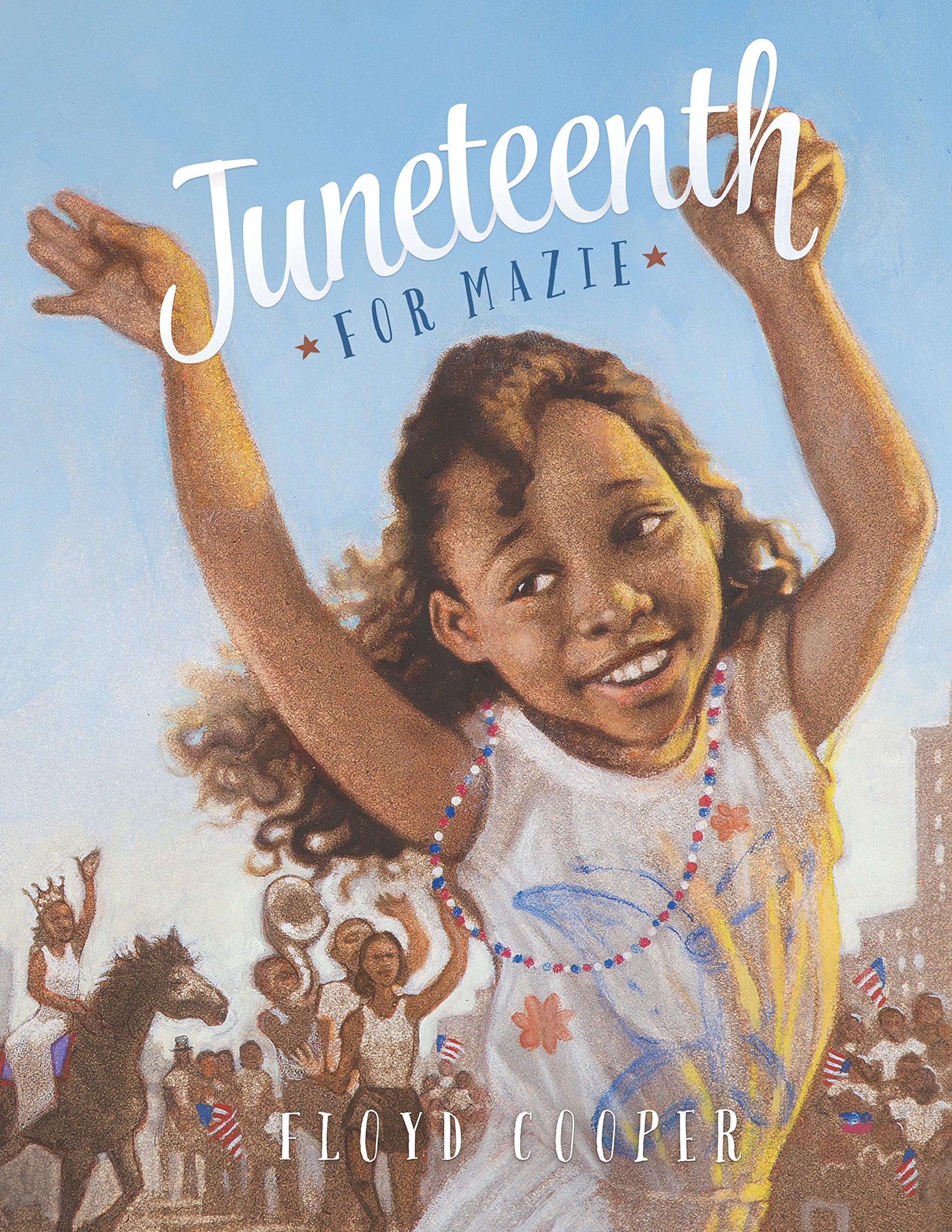 Juneteenth for Mazie by Floyd Cooper
 All is Different Now: Juneteenth, The First Day of Freedom by Angela Johnson
 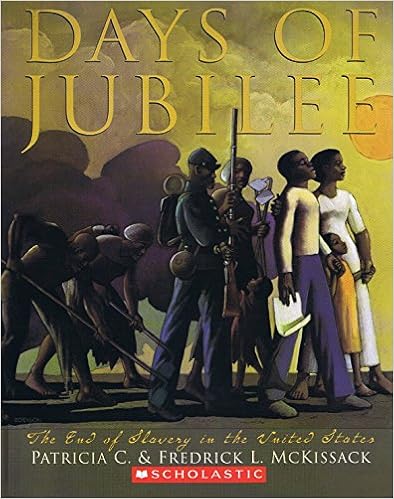 Days of Jubilee: The End of Slavery in the U.S. by Patricia & Fredrick McKissack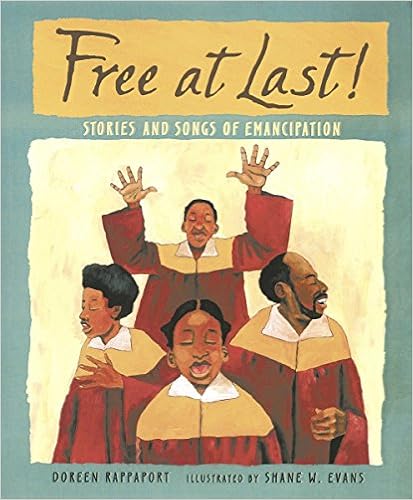
 Dave the Potter by Laban Carrick Hill
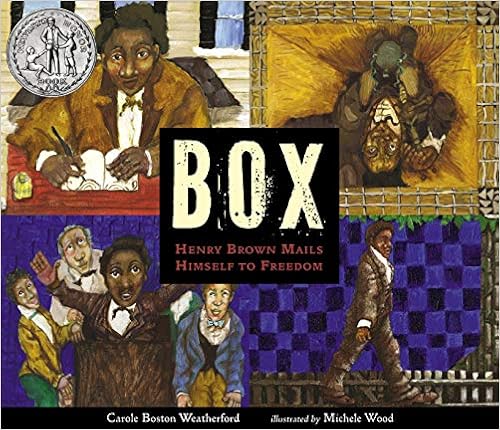
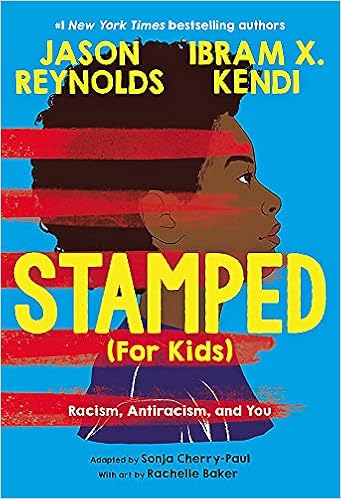
 This Book is Anti-Racist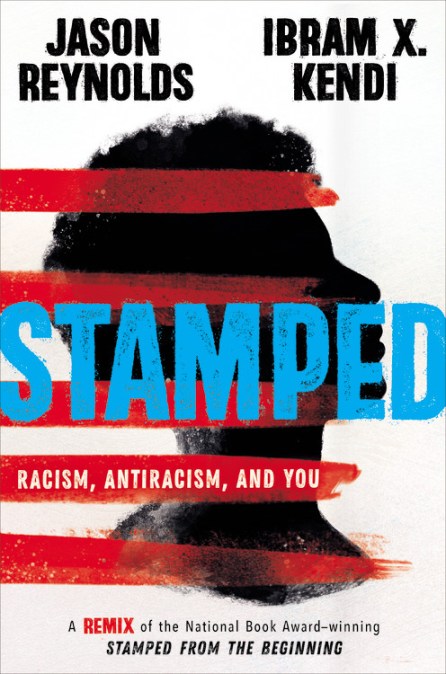
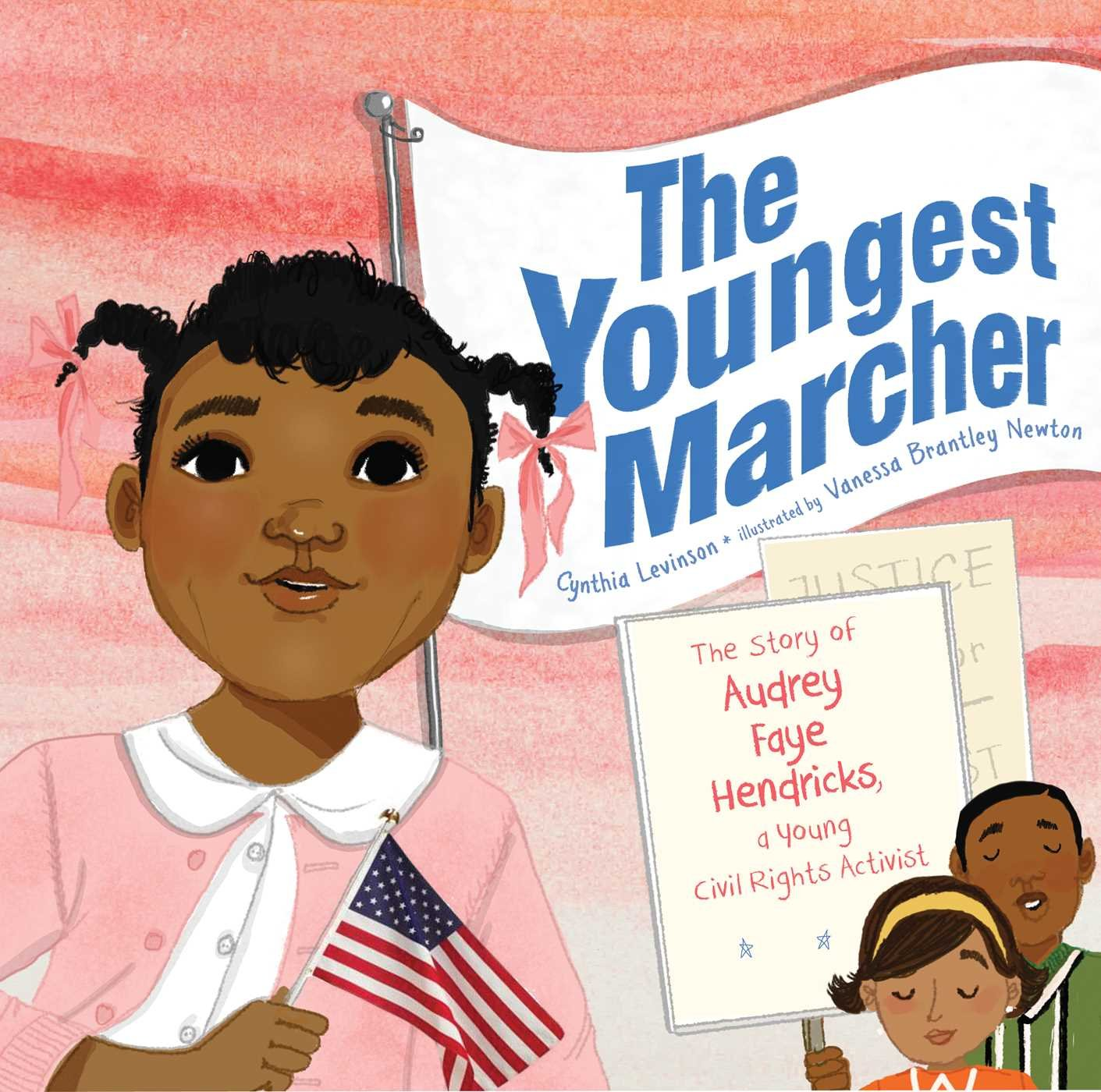
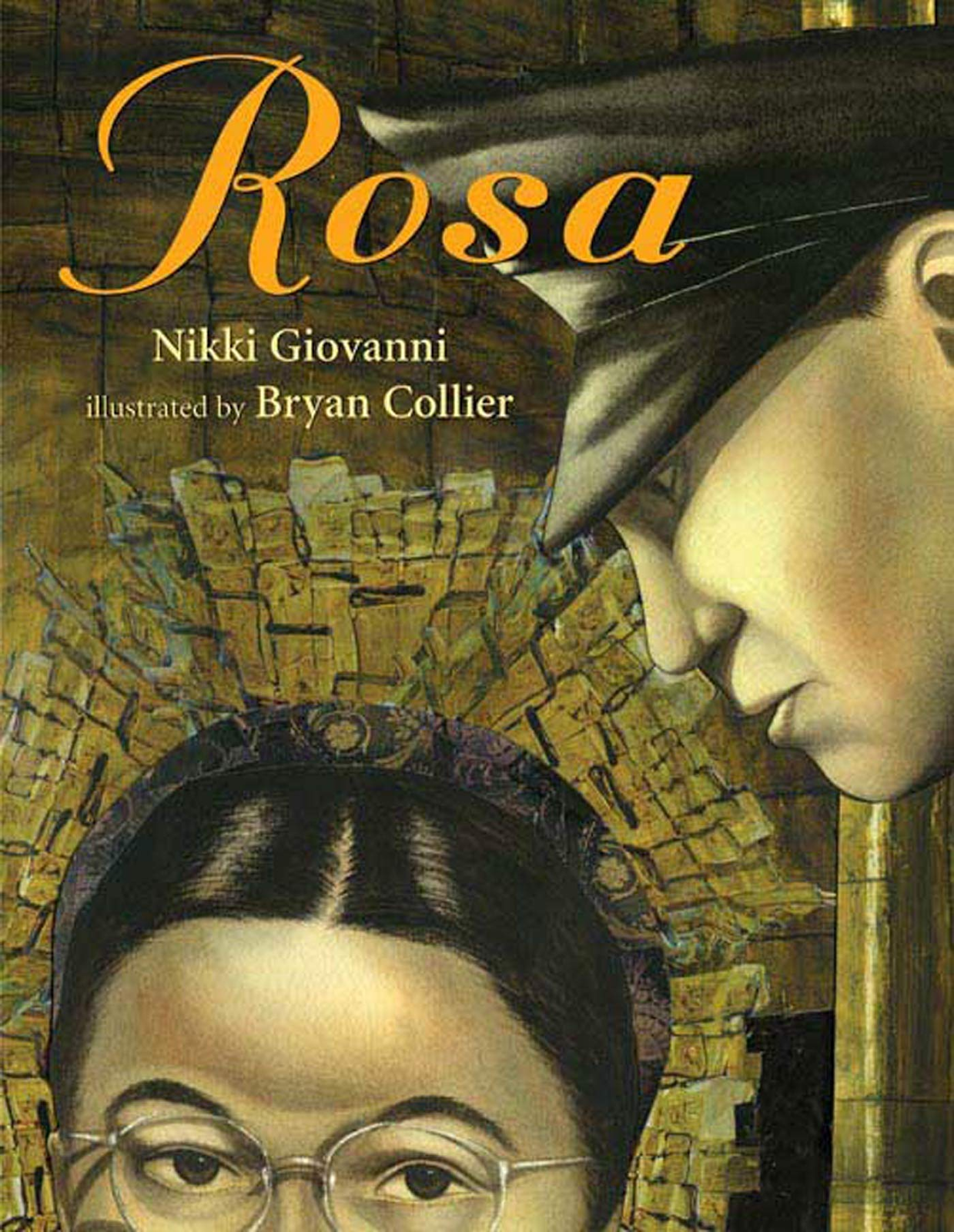
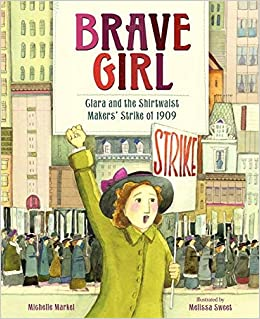
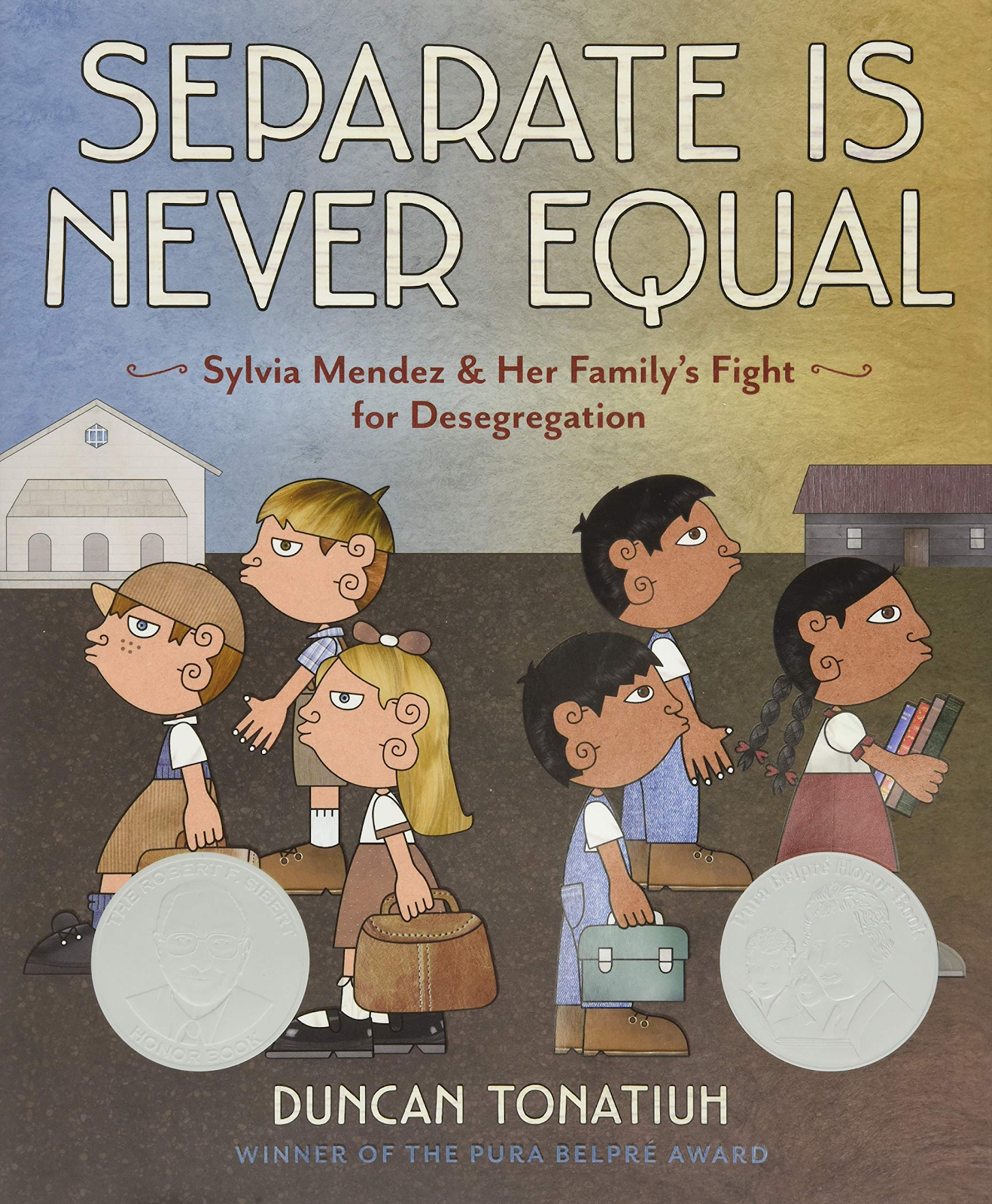
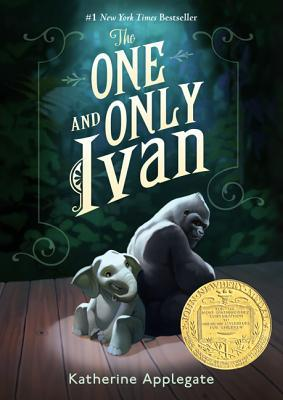
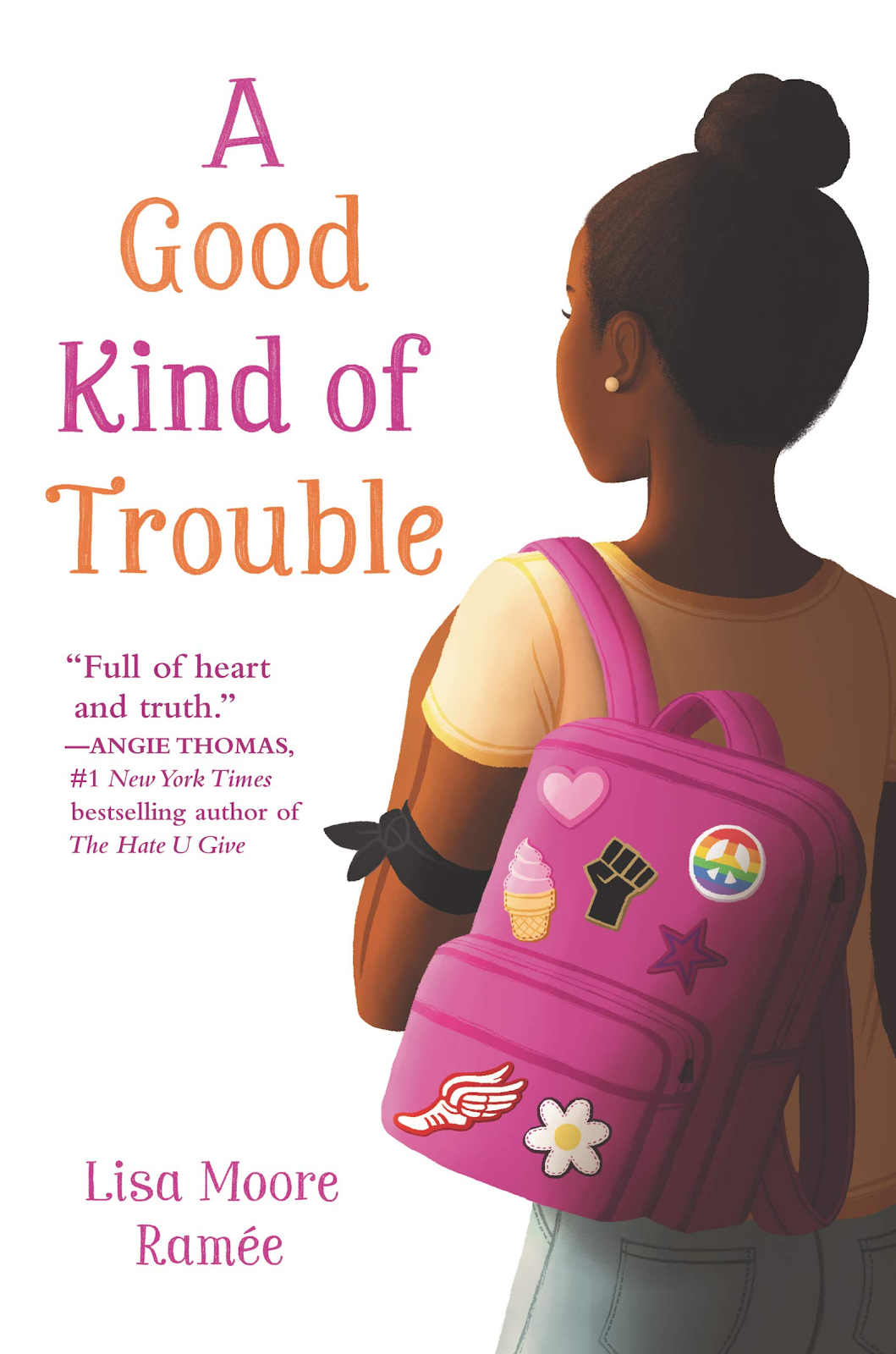
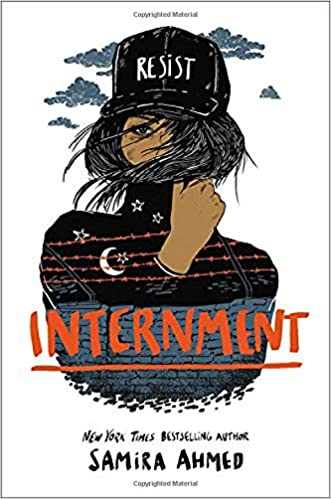










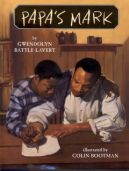







 My Papi Has a Motorcycle –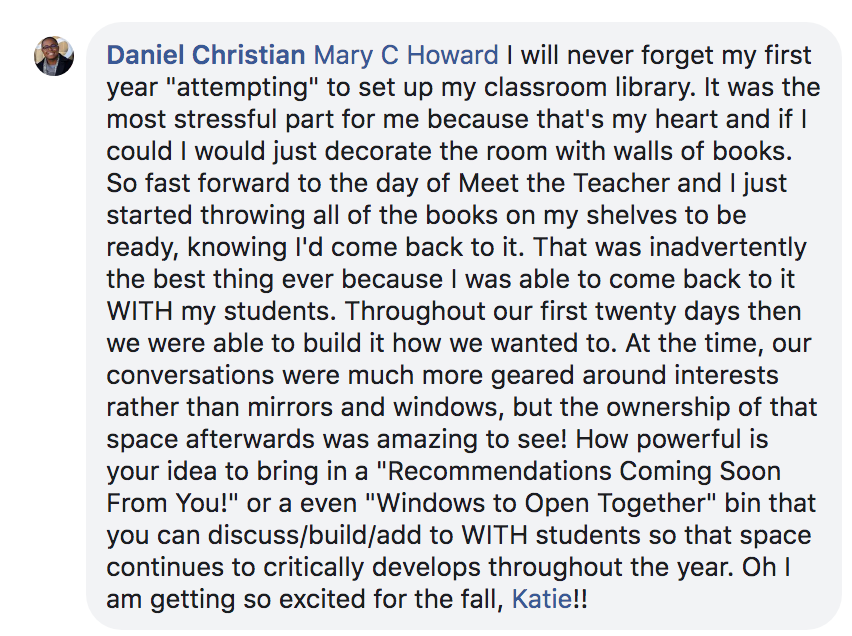
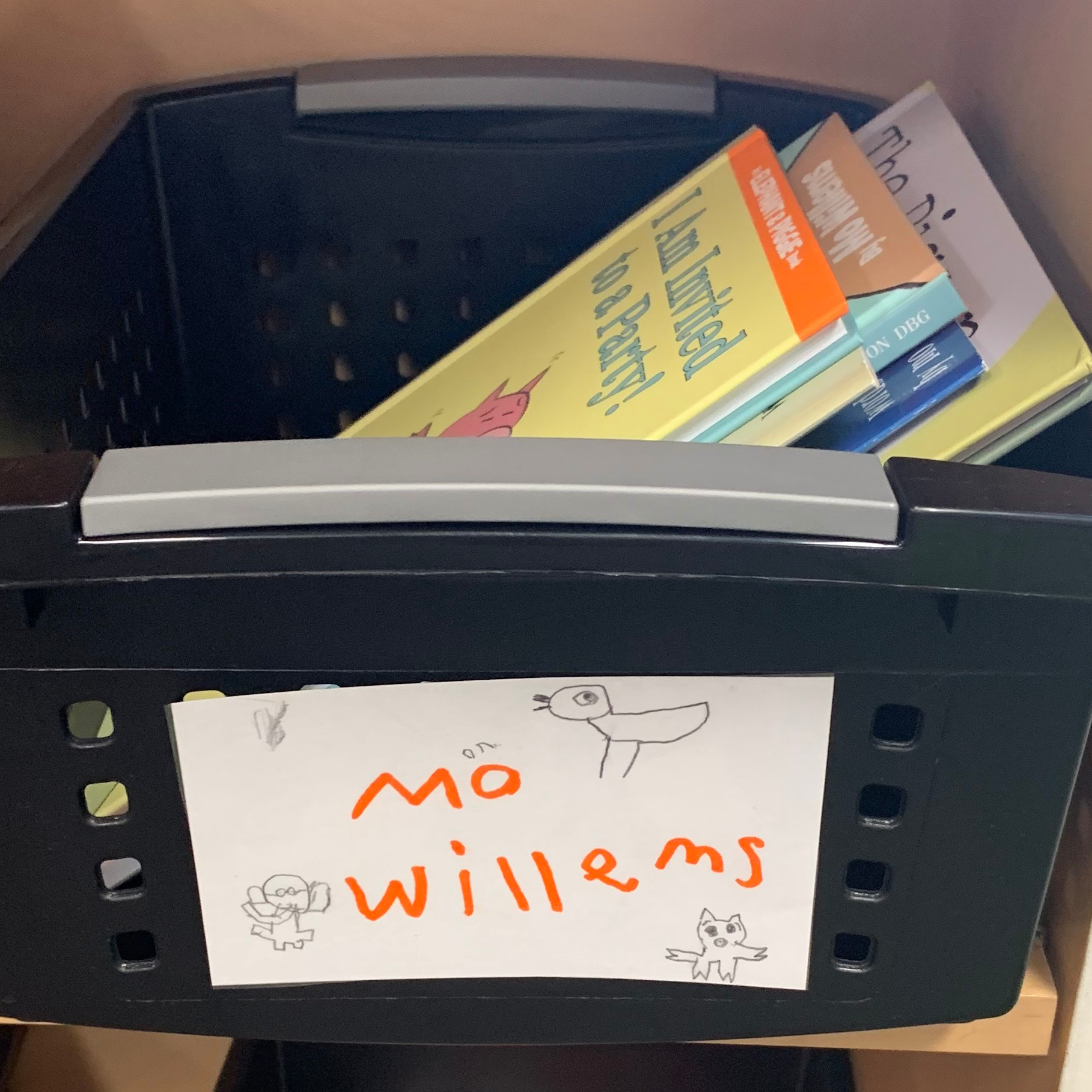


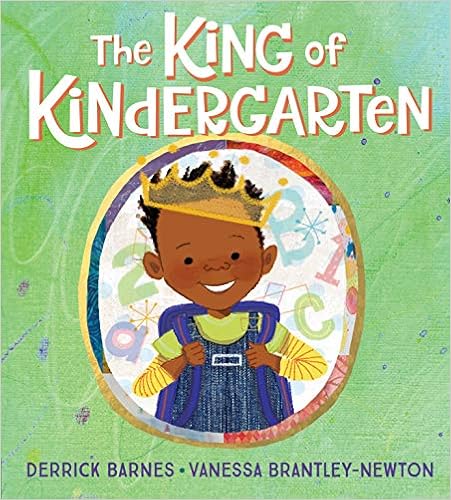
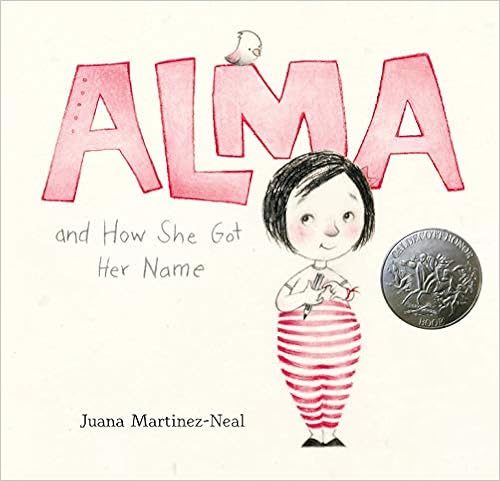
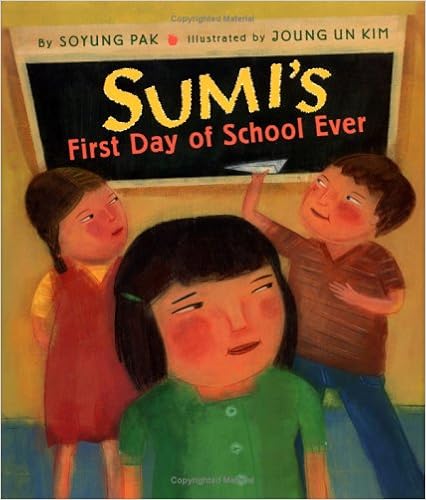
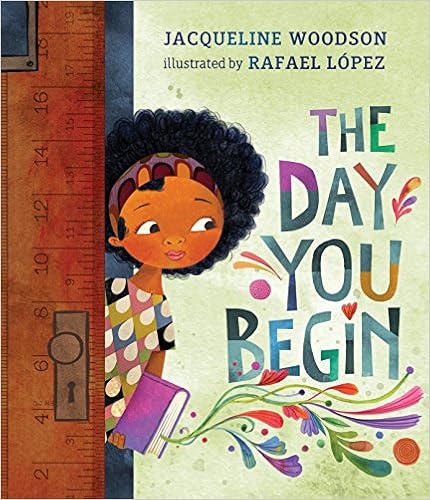


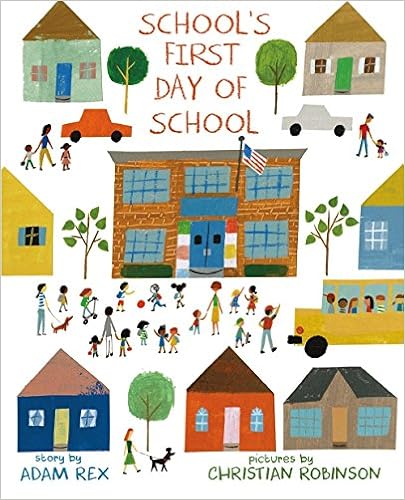
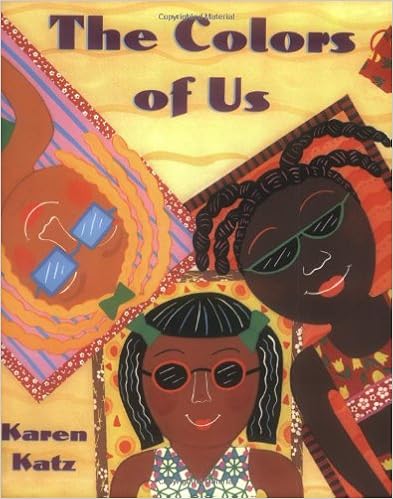
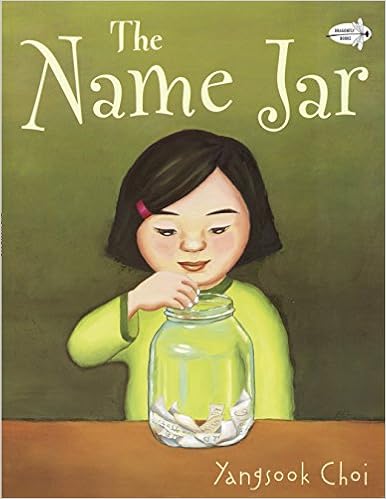
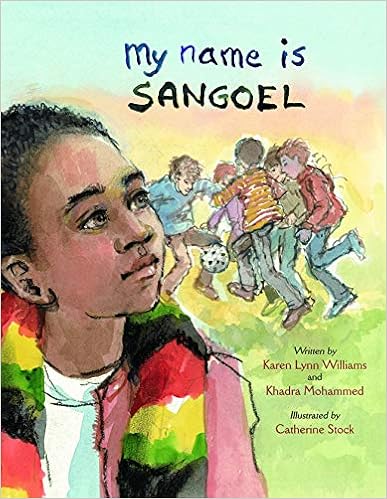
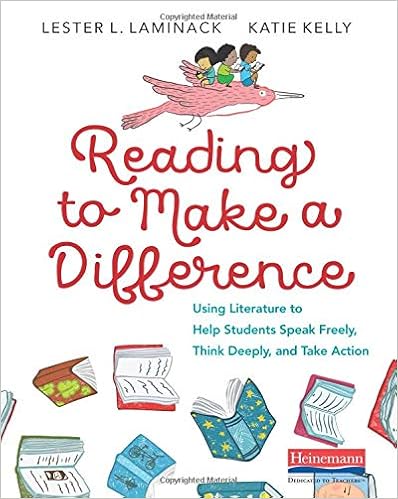

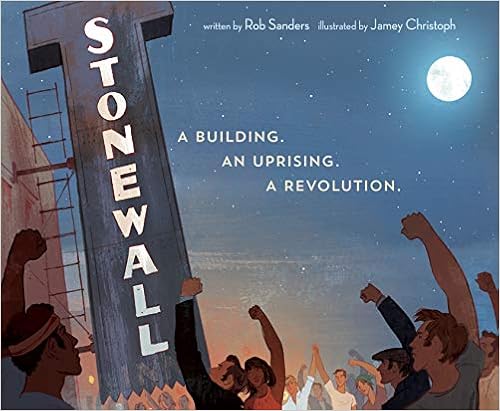
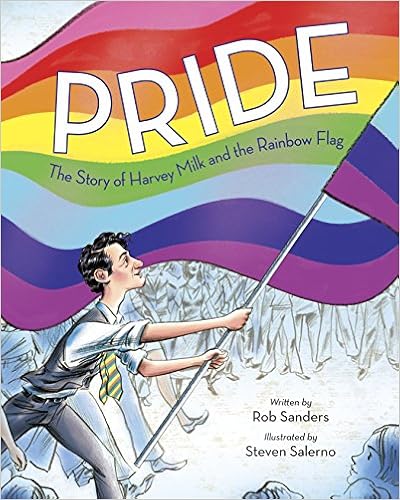
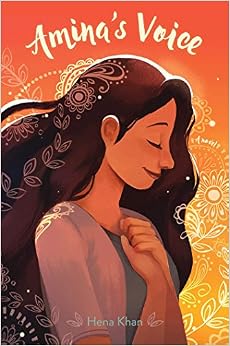 You may be wondering what this has to do with children’s books. In my mind, the connection is clear. In this climate of “fear of the other” on the one hand, and “fear to be myself” on the other, books are important. For non-Muslim students, books offer the possibility of “meeting” a Muslim. Upon meeting a character like Amina from Amina’s Voice by Hena Khan, for example, readers will relate to her struggle to overcome stage fright and to navigate middle school friendships. They will relate to her desire to want to blend in. They will experience the sadness and grief alongside her when her mosque is vandalized. In short, they will begin to see Amina as a human, and they will begin to empathize with her hopes and struggles. Through the book, the feared other becomes much less scary and a lot more like themselves.
 How can we fall in love if we never meet? Access to the just right book can make all of the difference. We must fill our classroom libraries with books featuring diverse topics, genres, characters, and lived experiences. It’s also helpful to organize the books in some type of systematic way to help readers find and select a potential mate. Bins of books organized around favorite topics and authors rather than levels removes any shame associated with reading levels and matches what real readers do when shopping for books. Showcase favorite books through book talks and book shares and by propping them on display.
 Speed dating with books (or book tastings for younger students) is a fun way to expose children to different books in a short amount of time. Have children sit down at a table featuring a selection of books. Give them approximately one minute to browse the front and back cover, read the inside jacket, and skim and scan the text and illustrations. Encourage them to consider which book they’d like to take on a second date. During the second date, they sit down and begin reading the text, getting to know it better.
 Finding ‘just right books’ is more than matching readers with a level. Compatibility is more than a score or a percentile ranking. Consider your true love. What attracted you? What kept you engaged? Learning what you find appealing can build a lifetime relationship with reading.
 It’s ok to abandon books. If you begin reading a book and you are just “not feeling it” be honest, consider and reflect about why this is not working. That will help you recognize what you don’t like and will help you find a better mate in the future.
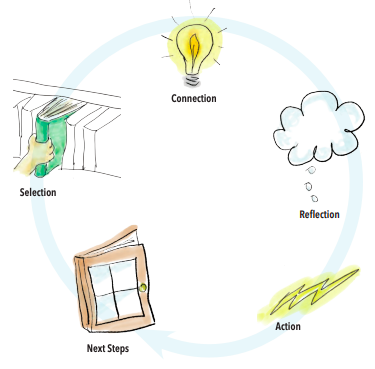
 Books can evoke feelings, changes in our thinking and behavior, and spark us to take action in some way. When you fall in love at first sight, take a moment to reflect on why. Come to know yourself as a reader and learn to manage your selections for future reads.
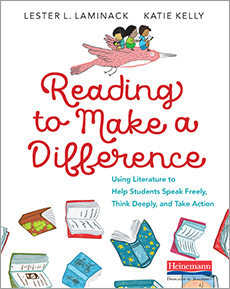
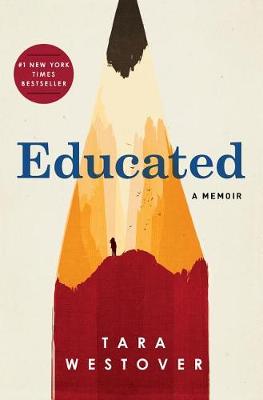
 Katie tends to read fiction, historical fiction, memoir and nonfiction. Other than when
  Falling in love with an author or illustrator or topic is one of the joys of being a reader. Help your students find their match with a spotlight on an author or an author study. Assembling a text set to explore topics of interest is an effective way to introduce a variety of authors, text formats, and genres connected to a topic of interest.
 As a young reader Lester loved the
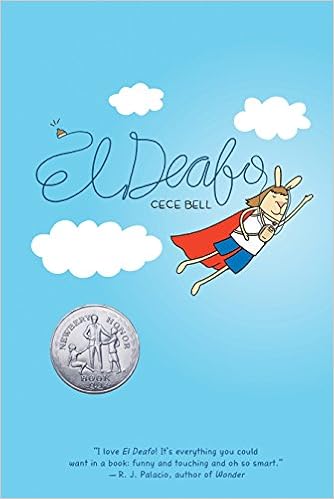
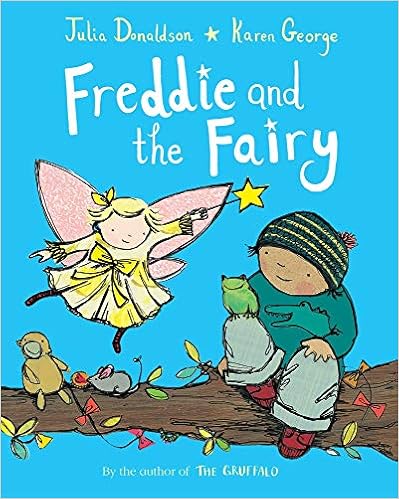
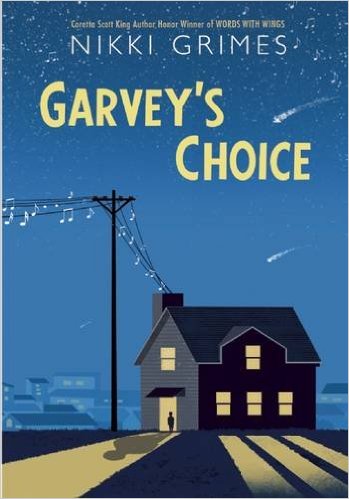
  Sometimes we meet characters in books that stay with us. We can’t shake them. Lily from
  Nonfiction offers readers the opportunity to delve into a topic and weigh information in a search for truth. As students become more facile as critical thinkers and readers they learn to question the texts they read and to search out various perspectives on an issue. As you collect titles for your classroom library consider offering a range of perspectives on the topics in your curriculum.
 Reading aloud is an essential part of our reading instruction. As you plan for read aloud experiences do so with intention. Make your selections with the same care your give to choosing manipulative for a math lesson and the perfect Valentine’s card for a loved one. Think through the purpose of each read aloud experience and match the selection to the intention.
 Communication is critical in relationships. While reading may seem like an isolated experience at least during the reading process, reading should be a social act. When we talk about what we are reading with others, we deepen our understanding, develop new perspectives, and form connections.
 Good books leave us wanting more. They move us. We laugh, we cry, we turn pages in suspense. We are changed by our time with them. Good books spark the love for reading and inspires us as lifelong readers.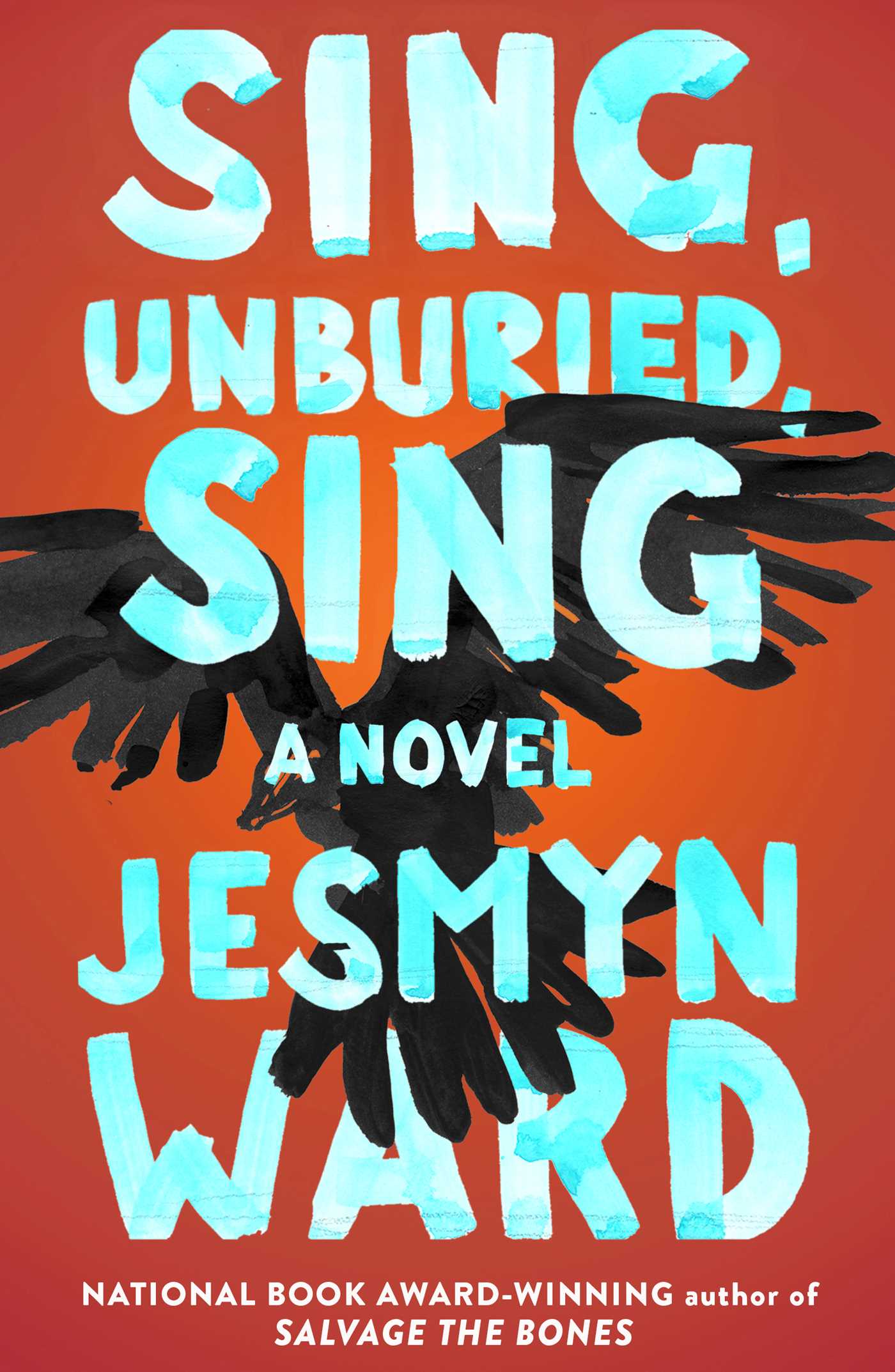












 BookBuzz with Lester Laminack and Katie Kelly